1. Diversify fish basket ,union govt
GS paper III-Economic Allied Sectors (Aquaculture)
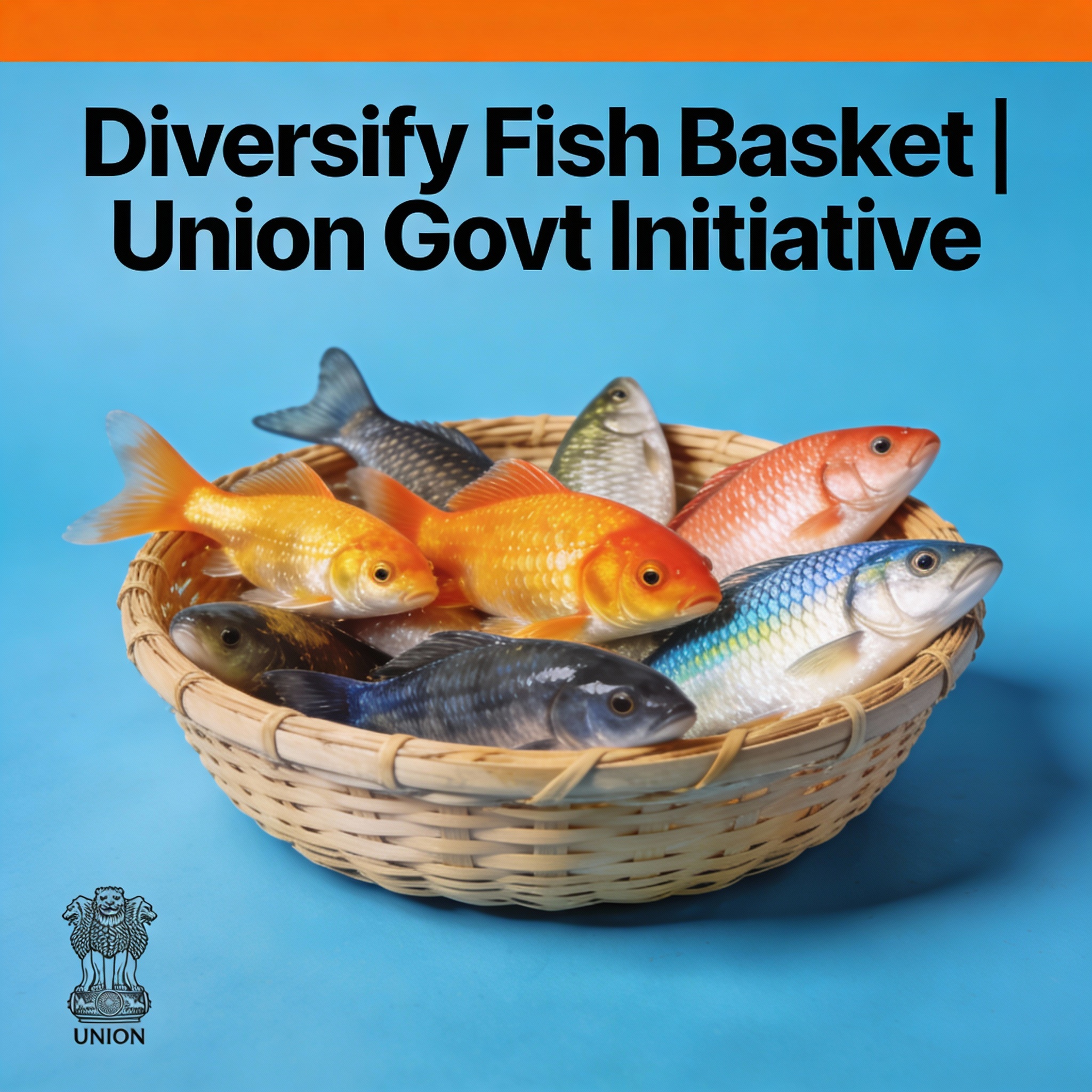
CONTEXT :India’s fisheries sector has hit a record fish production of nearly 20 million tonnes in 2024-25, highlighting the need for robust risk management amid rapid growth.
Production Milestone
- Record output of 19.775 million tonnes in FY 2024-25 drives economic growth but demands better risk strategies.
- Doubled from 9.6 million tonnes (2013-14), fueled by inland aquaculture expansion.
PMMSY Focus
- Scheme enters final 2025-26 phase, emphasizing “Waste to Wealth” via saline aquaculture on wasteland.
- Targets 22 million tonnes by 2024-25, promoting clusters like tilapia and scampi.
Trade Resilience
- U.S. anti-dumping duties on shrimp exports prompt species and market diversification.
- Over 70% shrimp exports depend on Pacific White Shrimp (L. vannamei), risking losses from diseases like White Spot.
Mono-Species Risks
- Single-species focus (vannamei) heightens vulnerability to outbreaks, price drops, and demand shocks.
- Threatens livelihoods of millions of coastal farmers reliant on shrimp trade.
Inland Diversification
- Shift beyond carps (Rohu, Catla) to high-value Murrels, Pangasius, Tilapia.
- Cold-water farming of Trout, Mahseer in Himalayan states boosts hill economies.
Shrimp Diversification
- Revive native Giant Tiger Prawn (P. monodon) for disease resistance.
- Promote Scampi (M. rosenbergii) for domestic and premium markets.
IMTA Technologies
- Integrated Multi-Trophic Aquaculture recycles waste: fish/shrimp with seaweed/shellfish.
- Cuts eutrophication, enables multiple harvests (fish + oysters), stabilizes farmer income.
High-Demand Species
- Seabass, Cobia, Silver Pompano fetch premiums in SE Asia, Europe.
- Saline-tolerant shrimp on 1M+ ha salt-affected lands (Haryana, Punjab, Rajasthan).
Waste Land Use
- Biofloc, RAS convert water-logged wastelands into profitable hubs.
- Enhances land utilization for saline aquaculture growth.
Market Strategies
- Value addition: breaded shrimp, fillets raise margins beyond raw exports.
- Target Japan, Middle East, EU to cut U.S./China reliance
2. Advanced Chemistry Cell (ACC) PLI scheme’s
GS Paper III-SCINECE AND TCHONOLOGY
Context :In January 2026, India’s energy storage ambitions have come under scrutiny following a major report by IEEFA and JMK Research, revealing a significant gap between the Advanced Chemistry Cell (ACC) PLI scheme’s targets and the on-ground reality.
- Only 2.8% (1.4 GWh) of 50 GWh target commissioned by late 2025.
- Jobs at 1,118, just 0.12% of 1.03 million goal.
- Hyundai Global Motors withdrew, forcing 10-20 GWh re-tender.
What are ACCs?
- Advanced batteries storing energy electrochemically with high density.
- Superior to lead-acid; types include LFP, NMC lithium-ion.
- Used for EVs, grid storage, electronics.
Scheme Basics
- ₹18,100 crore outlay for 50 GWh domestic capacity.
- Sales-linked incentives post-commissioning within 2 years.
- Requires 25% DVA rising to 60%; ₹225 crore/GWh investment.
Targets vs Reality
| Metric | Target | Actual (Jan 2026) |
| Capacity | 50 GWh | 1.4 GWh (2.8%) |
| Employment | 1.03M jobs | 1,118 (0.12%) |
| Investment | ₹11,250 Cr | ₹2,870 Cr (25.6%) |
| Incentives | ~₹29,000 Cr | ₹0 |
Key Problems
- New entrants picked over experienced firms like Exide.
- Visa delays for Chinese experts slow setup.
- 100% import reliance on lithium, nickel, cobalt.
- 0.1% daily penalties strain delayed firms.
Strategic Importance
- Cuts China import dependence for energy security.
- Lowers 40% EV cost via local batteries.
- Enables RE grid integration for 500 GW by 2030.
- Supports Net Zero 2070 goals.
3. Netaji Subhas Chandra Bose
GS Paper I (Modern Indian History)
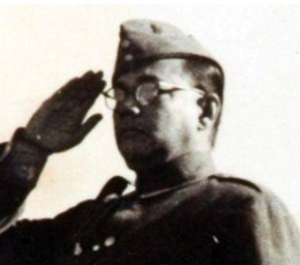
Context :Netaji Subhas Chandra Bose’s 129th birth anniversary coincides with Parakram Diwas-2026 celebrations in Andaman & Nicobar Islands, highlighting his daring 1941 escape via Kalka Mail.
Personal Background
- Born January 23, 1897, in Cuttack to prominent Bengali family.
- Excelled academically; cleared ICS in England (1920) but resigned for freedom fight.
- Studied at Presidency and Scottish Church Colleges, Calcutta.
Freedom Struggle Role
- Elected Congress President at Haripura (1938), Tripuri (1939) as Left-wing leader.
- Demanded immediate Purna Swaraj, rejecting dominion status during WWII.
- Formed National Planning Committee (1938) for state-led industrialization.
Ideological Conflicts
- Resigned presidency post-Tripuri crisis over Gandhian non-violence differences.
- Founded Forward Bloc (1939) uniting youth, workers under militant platform.
- Faced house arrest, sedition trial before dramatic 1941 escape.
Great Escape 1941
- Disguised as Mohd Ziauddin, fled Calcutta via nephew’s car to Gomoh.
- Boarded Kalka Mail (India’s oldest express) to evade British surveillance.
- Reached Kabul, Moscow, Berlin; internationalized India’s independence fight.
Military Campaigns
- Revived Indian National Army (INA) with German-Japanese tactical support.
- Proclaimed Azad Hind Government (1943) with currency, courts, diplomacy.
- INA advanced to Imphal-Kohima (1944), shattering British invincibility myth.
Enduring Legacy
- Iconic slogan: “Give me blood, I will give you freedom.”
- INA trials (1945-46) eroded British legitimacy, accelerated independence.
- Symbol of militant nationalism inspiring soldiers, youth nationwide.
4. Beti Bachao Beti Padhao (BBBP) scheme
GS Paper II (Governance & Social Justice)
GS Paper III (Economic Development)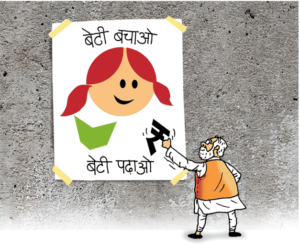
CONTEXT :Beti Bachao Beti Padhao (BBBP) scheme Campaign completes 11 years since 2015 Panipat launch by PM Modi.
- PM praises daughters setting records across fields, cultural shift visible.
- Integrated into Mission Shakti, showing measurable SRB, education gains.
Scheme Overview
- Flagship Centrally Sponsored initiative under Mission Shakti’s SAMBAL.
- Tri-ministerial: Women & Child, Health, Education; later added Skill, Minority Affairs.
- Targets gender bias, launched amid declining Child Sex Ratio crisis.
Core Objectives
- Curb gender discrimination, female foeticide via awareness, enforcement.
- Boost CSR through better institutional deliveries, antenatal care.
- Ensure girls’ education access, retention, leadership in sports/arts.
- Link with schemes like Sukanya Samriddhi for holistic welfare.
Key Achievements
- SRB improved in focus districts; 4.53 crore scheme-linked accounts opened.
- Girls’ secondary enrolment up, safer schools via district action plans.
- Community events like Beti Janmotsav shifted social attitudes
5. Delimitation after 2027, redrawing power in India
GS Paper II-Polity
India’s post-2027 delimitation will redistribute Lok Sabha seats based on Census 2027 data, potentially shifting power from southern to northern states.
Delimitation Background
- Constitution mandates seat adjustments after each Census for equal representation.
- 1976 freeze locked inter-state Lok Sabha allocation at 1971 levels to reward population control.
- 84th Amendment (2001) extended freeze until post-2026 Census; expires after 2027.[ from prior]
Population Shifts
- Southern states achieved low fertility via education, health investments.
- Uttar Pradesh, Bihar show higher growth; could claim 25% of expanded 888-seat House.
- South gains absolute seats but loses proportional influence, creating “moral paradox.”
Key Challenges
- Northern dominance weakens southern bargaining despite “no seat loss” assurances.
- Indefinite freeze violates Article 14 equality; pure population formula seems unfair.
- Risks coalition instability, federal tensions post-redistribution.
Proposed Solutions
- Weighted formula blends population with literacy, health, fertility metrics.
- Strengthen Rajya Sabha as equal-state federal chamber with domicile rules.
- Bifurcate large states like UP to diffuse power concentration.
- Phased rollout over two elections to ease political shock.
Implementation Needs
- Transparent Delimitation Commission with demographic expertise, state consultations.
- Coordinate with women’s reservation, SC/ST reallocations for credibility.
- Prioritize dialogue to build trust before numbers lock in seats.
6. India and EU Partnership
GS PAPER II-IR
Context :India-EU ties gain momentum through high-level Republic Day visit and summit, signaling strategic alignment amid global shifts.
Global Shifts Driving Ties
- Eroding trust in traditional alliances pushes both toward diversification.
- Shared risks from single-power reliance heighten urgency for partnership.
- US tariff pressures, Russia energy ties strain other relationships.
Historical Engagement Gaps
- Relations long uneven, hindered by Russia-China disagreements.
- Previously overshadowed by stronger US partnerships for both sides.
- Current recalibration elevates ties to core strategic priority.
Free Trade Agreement Focus
- FTA negotiations since 2007 now central to economic diversification.
- Boosts trade in textiles, pharma, autos, machinery, digital services.
- India gains EU market access; EU cuts China manufacturing dependence.
Climate-Trade Tensions
- Carbon border taxes on steel, cement act as hidden trade barriers.
- Risk offsetting FTA economic gains for developing economies.
- Need balanced approach recognizing development disparities.
Defence Partnership Potential
- Proposed security pact akin to those with other Asian powers.
- Enables co-production, tech access for India’s manufacturing goals.
- Strengthens Indian Ocean security amid rising competition.
Multipolar Cooperation Model
- Both prioritize sovereignty, resist external policy vetoes.
- Shared focus on resilience against energy, market dependencies.
- Template for pragmatic ties respecting differing priorities.
7. Pango Lakha Wildlife Sanctuary
GS paper III-Environment
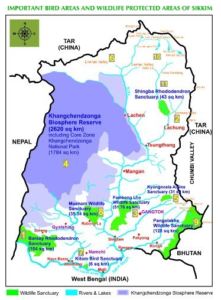
Context :Pangolakha Wildlife Sanctuary in East Sikkim battles forest fire since January 20, 2026, scorching 12 hectares near Indo-China border.
- Blaze threatens biodiversity hotspot amid military presence challenges.
- Fire highlights climate vulnerability in high-altitude eastern Himalayas.
- Impacts strategic tri-junction zone connectivity and watersheds.
Geographic Profile
- East Sikkim (Pakyong), spanning 12,400 hectares across 1,300-4,000m.
- Borders Bhutan (east), China (Nathu La-Jelep La), West Bengal (south).
- Links Neora Valley National Park, enabling wildlife corridors.
Biodiversity Zones
- Eastern Himalayas hotspot with alpine, temperate, subtropical biomes.
- Rhododendron, silver fir, juniper, oak forests plus bamboo thickets.
- Alpine wetlands like Bedang Tso Lake support migratory birds.
Wildlife Highlights
- Mammals: Tiger, takin, musk deer, red panda, Asiatic black bear.
- Birds: Himalayan monal, Pallas’s fish eagle (IBA site), wood snipe.
- Migratory pathway through high passes linking regional habitats.
Strategic Importance
- India-China-Bhutan tri-junction hosts army deployments.
- Regulates water via forests, lakes feeding regional river systems.
- Climate sentinel sensitive to fires, snowfall decline, warming