1. ISRO set to launch earth obervation satellite
GS Paper III-science and technology
Context : ISRO’s first 2026 mission on Jan 12 at 10:17 am IST from Satish Dhawan Space Centre.
- Follows PSLV-C61 failure; rebounds with strategic DRDO satellite and global payloads.
- Highlights India’s space surveillance boost and PSLV’s commercial role.
EOS-N1 Nature
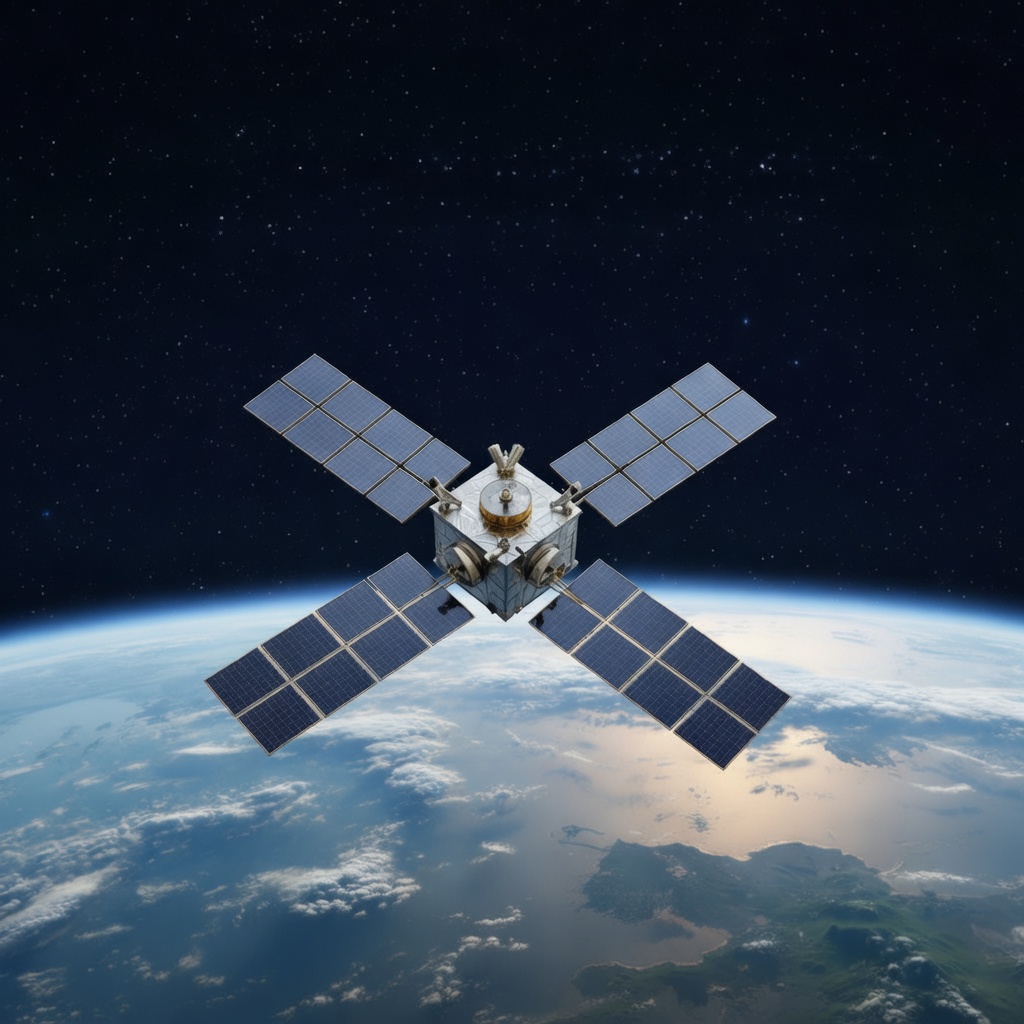
- Advanced hyperspectral Earth observation satellite by DRDO (codenamed Anvesha).
- Captures hundreds of wavelengths for material identification beyond conventional imaging.
- Weighs ~1710 kg total mission payload; placed in 600 km orbit.
Strategic Use
- Enhances border surveillance, reconnaissance, and camouflage detection via spectral signatures.
- Supports national security, disaster monitoring, and resource mapping from space.
- Boosts India’s strategic imaging for intelligence and high-resolution global monitoring.
PSLV-C62 Details
- 64th PSLV flight using DL variant with two strap-on boosters for small satellite capacity.
- Four-stage vehicle: solid S1/S3, liquid S2/S4; 44.4m tall, reliable for precise orbits.
- Post-PSLV-C61 recovery mission for Earth observation and rideshare.
Launch Importance
- Ushers 2026 launches; reaffirms PSLV reliability after recent failure.
- Strengthens space-based surveillance amid geopolitical needs.
- Promotes NSIL’s global launch services with international clients.
Multiple Payloads
- Primary: EOS-N1 (DRDO strategic); KID (25kg Spanish startup reentry demo on PS-4).
- 17 commercial satellites (~200kg) from Indian startups (e.g., MOI-1 AI imaging), academia, Mauritius (IMJS), UAE, US, Europe.
- Reflects PSLV’s rideshare for startups, research, and international partners.
LVM3 Recent Context
- LVM3-M6 (Dec 24, 2025) launched US BlueBird Block-2 (6.5-tonne comm sat) successfully.
- Preceded by LVM3-M5 (Nov 2025) with India’s heaviest Navy comm sat CMS-03.
- Contrasts PSLV’s smallsat focus; shows ISRO’s diverse heavy-lift successes recently.
2. Antimicrobial resistance
GS paper III-Biotechnology
Context: PM’s first major AMR mention sharpens India’s surveillance post-GLASS 2025 data.
- Aligns with WHO warnings; India leads global AMR deaths at 4.5L annually.
- Boosts NAP-AMR v2 amid urban-rural treatment gaps.
What is AMR
- Microbes evolve resistance to antibiotics, rendering treatments ineffective.
- Driven by overuse/misuse in humans, animals, agriculture.
- “Silent pandemic” kills 1.27M globally yearly per WHO.
Mann ki Baat Significance
- PM urged avoiding self-medication, completing antibiotic courses fully.
- First top-level public nudge elevates AMR to national priority.
- Targets behavioral change in 1.4B population for surveillance gains.
AMR Problem in India
- Highest global burden: 30% infections untreatable; 4.5L deaths yearly.
- OTC antibiotic sales rampant; 75% prescriptions unnecessary per NCDC.
- Weak rural diagnostics fuel ESKAPE pathogens spread.
AMR Beyond Human Health
- 70% antibiotics used in livestock; resistant strains enter food chain.
- Polluted rivers (70 AMR genes) contaminate crops, water sources.
- Wildlife harbors resistant bacteria, threatening biodiversity.
Why One Health Vital
- Integrates human-animal-environment surveillance for holistic control.
- India’s NAP links 4 ministries; reduces 55% animal antibiotic use.
- Prevents zoonotic AMR spillover like NDM-1 superbug.
India’s NAP-AMR v1 (2017)
- Worked: Established 30 AMR labs; GLASS membership; banned 6 colistin.
- Worked: Trained 10K doctors; ICMR surveillance caught 27 pathogens.
- Failed: No binding regulations; animal antibiotic sales unchecked.
- Failed: Weak enforcement; rural diagnostics absent.
Urgency of AMR Crisis
- By 2050: 10M annual deaths, $100T economic loss globally.
- India risks losing 3.4% GDP; superbugs evade last-resort drugs.
- Vaccine gaps + climate migration amplify urban-rural spread.
3. White House says Trump actively discussing purchase of Greenland
GS paper II-IR
Context :Trump plans talks with Danish officials next week on strategic Arctic interests.
- Aims to secure U.S. foothold against rivals’ Northern expansion.
- Revives debate on Greenland’s autonomy within Danish Realm.
Greenland Basics
- World’s largest island (2.16M sq km), 80% ice-covered, east of Canada in Arctic.
- Capital Nuuk; population ~57,000 mostly Inuit; self-governing Danish territory.
- Extreme Arctic climate with vast ice sheet holding 8% global freshwater.
Why Important
- Controls access to emerging Northern Sea Route shortening Asia-Europe shipping by 40%.
- Houses Thule Air Base, key U.S. missile defense/radar outpost since WWII.
Climate Change Impact
- Ice melt accelerates sea rise; 270B tonnes lost yearly, exposing new land.
- Opens year-round Arctic shipping routes, slashing transit times/costs.
Critical Mineral Hub
- Rich in rare earths (25% global reserves), uranium, zinc, gold under ice.
- Ice melt unlocks mining potential worth trillions for EV/tech supply chains.
U.S. Historical Interest
- Bought Virgin Islands from Denmark (1917); eyed Greenland since Truman era.
- 1946 offer $100M rejected; 2019 Trump tweet sparked global backlash.
Contemporary Strategic Interests
- Counter Russia/China Arctic bases; secure rare earths vs. China’s 90% dominance.
- Missile defense expansion via Thule; control new sea lanes.
Concerns with U.S. Interest
- Danish PM calls it “absurd”; Greenlanders reject sale, value self-rule.
- Risks NATO friction; seen as neo-colonial amid indigenous rights push.
Geological Importance
- Ancient craton with 3.8B-year rocks; key to Earth history studies.
- Massive ice sheet preserves climate records spanning millennia.
Mineral Significance
- Rare earth oxides: neodymium for magnets, dysprosium for EVs.
- Graphite, iron ore deposits rival Australia’s scale post-ice melt.
Climate as Geopolitical Catalyst
- Melt exposes resources/routes, spurring military buildup by rivals.
- Triggers scramble for uncontested Arctic shelf claims under UNCLOS
4. Natgrid, the search engine of digital authoritarianism
GS Paper III (Technology, Economic Development, Bio-diversity, Environment, Security and Disaster Management)
Context : Proposed NPR linkage sparks privacy fears; seen as mass surveillance tool.
- AI integration with Gandiva analytics raises unchecked data profiling risks.
Revived after years of delays; now operational with 21+ database links.
Background: Why NATGRID Was Created
- Emerged from 26/11 Mumbai attacks (2008) intelligence failures, e.g., David Headley’s undetected travels.
- Exposed silos: scattered data on visas, travel, hotels not aggregated timely.
- Conceptualised in 2009 by P. Chidambaram to “connect dots” for counter-terrorism.
- Approved in 2011-12; aimed to prevent future attacks by enabling real-time pattern detection.
What is NATGRID?
- Secure middleware platform linking 21+ databases (banking, telecom, immigration, tax, travel, etc.).
- Provides authorised agencies real-time access without central data storage (federated architecture).
- Initially for 10-11 central agencies; now extended to SP-rank State police officers.
- Processes queries for suspect profiles; no FIR needed for access.
The Constitutional & Legal Problems
- Violates privacy (Article 21, Puttaswamy judgement 2017) via disproportionate surveillance.
- Lacks statutory framework; operates under executive orders, no parliamentary oversight.
- NPR linkage blurs census confidentiality (Indian Census Act 1948) with policing.
- Exempt from RTI; potential misuse without independent redressal mechanisms.
From Vaporware to Reality
- Long delayed (“vaporware”) post-2009 announcement; faced privacy concerns, “Big Brother” fears.
- Infrastructure completed ~2020; fully operational by 2024-2025.
- Gained traction post-2025: high usage (~45,000 requests/month), access widened to local police.
- Shifted from delayed project to active tool amid reboots and new hirings.
The Most Disturbing Shift: Linking with NPR
- NPR (1.19 billion residents’ data: households, lineages, identities) integrated Dec 2025.
- Enables family-wise suspect mapping; precursor to potential NRC-like filtering.
- Transforms NATGRID from event-tracking to comprehensive population surveillance.
- Access even without FIR; risks everyday policing over counter-terror focus.
Technology Multiplier: AI, Analytics & Gandiva
- Deploys “Gandiva”: AI tool for facial recognition, entity resolution, multi-source analytics.
- Matches masked faces, links disparate records; amplifies in 2025 ML era.
- Algorithms subjectively determine risk; no transparency on training data.
- Changes risk nature: from objective patterns to biased, opaque inferences.
Weak Institutions, Not Weak Data
- Problem lies in skewed policing (caste, religion, geography biases), not data scarcity.
- Distortions embedded in data perpetuate inequities; analytics harden prejudices.
- Older debates (algorithms vs. bias) ignored; focus on tech expansion over reform.
- Enables suspicion architecture for minorities, dissenters.
Judicial Silence & Democratic Decline
- Courts deepened privacy doctrine (Puttaswamy) but silent on NATGRID’s expansion.
- No scrutiny despite multiple public interest cases on surveillance.
- Contributes to tempered rhetoric, cultural moulding on security vs. rights.
- Erodes accountability; e.g., no probes into recent failures like Nov 2025 Delhi bombing.
Conclusion of the Article
- NATGRID functions as “search engine of digital authoritarianism”: suspicion via fear-normalised tech.
- Without oversight, autonomy, parliamentary control, it’s institutional weakness tool.
- Drifts from counter-terror to everyday control; questions life-death claims amid failures.
- Urgent need for safeguards to prevent neo-colonial, unaccountable state power.
5. Open Network for Digital Commerce (ONDC)
GS PAPER III-ECONOMY
CONTEXT :ASI integrates 170 heritage sites/museums onto ONDC for seamless digital bookings.
- Platforms like Highway Delite, Pelocal WhatsApp (+91 84228 89057) now sell ASI tickets.
- NDML onboarded full ASI inventory, boosting public service delivery efficiency.
ONDC Overview
- Open interoperable digital network democratizes e-commerce via open protocols.
- Launched April 2022 by DPIIT, Ministry of Commerce to break platform monopolies.
- Connects buyer/seller apps without owning listings or processing orders.
Core Aim
- Levels playing field for MSMEs in digital commerce against giant platforms.
- Promotes competition, innovation, cost efficiency, and inclusivity nationwide.
- Enables cross-platform discovery of goods/services using standardized APIs.
Operational Model
- Decentralized network links buyer apps (search/ordering) with seller apps (catalogs).
- Logistics providers handle delivery; tech enablers supply infrastructure tools.
- All participants follow common standards for seamless interoperability.
Covered Domains
- Food/beverage, grocery, mobility (cabs, flights, metro), fashion/footwear.
- Health/wellness, financial services, electronics, home/kitchen, agriculture.
- Services, ONEST education/training; now expands to ASI heritage ticketing.
ASI Integration Benefits
- Bypasses physical queues at Taj Mahal, Qutub Minar, Khajuraho via multiple apps.
- Retains discounts while expanding access through ONDC’s open ecosystem.
- Strengthens transparent public services via interoperable digital infrastructure.
Conclusion
- ONDC-ASI linkage exemplifies Digital India by making heritage accessible nationwide.
- Expands from goods to public services, empowering MSMEs in ticketing domain.
- Drives inclusive growth through open networks beyond traditional e-commerce.
6. Shift in BIS from Regulation to Facilitation as the BIS Transforms India’s Quality Landscape
Context :Union Minister Pralhad Joshi highlighted BIS’s transformation from regulatory body to quality facilitator during its 79th Foundation Day celebrations.
Reason for News Coverage
- 79th BIS Foundation Day launched key digital initiatives and MSME support measures.
- Aligned with PM Modi’s vision of “Trusted by India and World” quality ecosystem.
- Showcased 2025 achievements: 600+ new standards, 9,700 licences granted rapidly.
BIS Overview
- India’s National Standards Body under Consumer Affairs Ministry develops 23,300+ standards.
- Ensures product safety, reliability across traditional/emerging sectors like EVs, AI.
- Governed by BIS Act 2016; HQ New Delhi; evolved from 1947 ISI mark scheme.
Historical Evolution
- 1947: Indian Standards Institution (ISI) formed post-1946 standardization memo.
- 1987: ISI became BIS with expanded certification powers.
- 2016: BIS Act modernized operations, added consumer/global focus.
Core Mandates
- Formulates standards for renewable energy, smart infra, robotics, green products.
- Runs product certification, hallmarking for gold/silver (HUID mandatory since Sep 2025).
- Provides lab testing, MSME fee concessions (80% micro, 50% small firms).
Recent Initiatives
- BIS Standardisation Portal (beta): Digital end-to-end standards workflow with dashboards.
- SHINE scheme: Empowers women via SHGs as community quality awareness agents.
- BIS-SAKSHAM: Annual awards for internal excellence in skills/impact.
MSME & Consumer Support
- Fast-track licences jumped from 758 to 1,288 products in 2025.
- 124 new mandatory certifications including currency sorters, moulding machines.
- Silver hallmarking: 21 lakh articles marked; e-learning for quality personnel.
Global & Academic Ties
- Hosted IEC General Meeting; secured IEC award for Indian engineer.
- MoUs with IIIT Dharwad, IIT Palakkad, NIT Arunachal for student chapters.
- 21K students across 400+ chapters; standards integrated in 27 institutes.
Conclusion
- BIS pivot to facilitation boosts Atmanirbhar Bharat via digital MSME empowerment.
- SHINE, portal signal inclusive quality culture for Viksit Bharat 2047.
- Rapid licensing, global leadership position India as standards powerhouse