
Venkaiah Naidu writes: What we owe Sardar Patel
GS PAPER II: Polity and Governance,
Topic: Indian Political System, Post-Independence Consolidation, National Integration
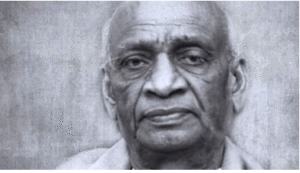
Context: Sardar Vallabhbhai Patel, celebrated as the “Iron Man of India,” is remembered for his monumental role in politically integrating over 560 princely states into the Indian Union after independence. His 150th birth anniversary was recently commemorated, reaffirming his vision of unity, inclusive governance, and moral leadership. As India embarks on its Amrit Kaal development phase, Patel’s ideals are celebrated as foundational for guiding the nation’s democratic and administrative growth.
Rephrased Headings and Points
Introduction
- Sardar Patel unified 565 princely states into one Indian Union using prudence, diplomacy, and strong will.
- His principles of discipline, inclusivity, and moral integrity remain a beacon for modern India’s governance during Amrit Kaal.
Significance of the News
- The 150th birth anniversary highlights Patel’s timeless contribution to national unity and democratic consolidation.
- The Statue of Unity epitomizes his legacy as a unifier and symbol of India’s governance ethos.
The Architect of India’s Political Integration
- Orchestrated peaceful accession of princely states through negotiation and firm resolve.
- Led Operation Polo (1948) to liberate Hyderabad and ensure its merger with India.
- Earned the title “Sardar” through leadership in Kheda and Bardoli movements.
- Advocated national unity combining diverse territories under constitutional governance.
Leadership Rooted in Inclusivity and Integrity
- Influenced by Gandhian ideals but maintained independent judgment.
- Declined Prime Ministership in line with Gandhi’s wish, exemplifying selflessness.
- Prioritized ethical governance emphasizing humility and moral strength over personal ambition.
Builder of Administrative India
- Developed the All India Services – the “Steel Frame” ensuring cohesion and effective administration.
- Emphasized accountability, discipline, and stability during India’s transition to independence.
- Supported pragmatic economic planning balancing agriculture and industry.
Relevance in Amrit Kaal
- Patel’s vision supports India’s goal of “Unity in Diversity” through cooperative federalism.
- His leadership style exemplifies decisive yet empathetic governance for contemporary challenges.
- His integrative approach guides internal security and regional harmony.
- His emphasis on grassroots governance aligns with Panchayati Raj and Digital India initiatives.
Enduring Legacy
- The 182-metre tall Statue of Unity at Kevadia commemorates his immense contribution.
- Rashtriya Ekta Diwas (October 31) honors his legacy annually.
- Inspires youth leadership based on service, discipline, and patriotism.
Conclusion
- Patel’s blend of strength, fairness, and humility sets a template for India’s governance during Amrit Kaal.
- His inclusive nationalism and institutional integrity remain the guiding principles for India’s sustainable democratic growth.