1. 150 birth anniversary of sardhar vallabhai patel
Paper: GS Paper II :Indian Polity & Governance
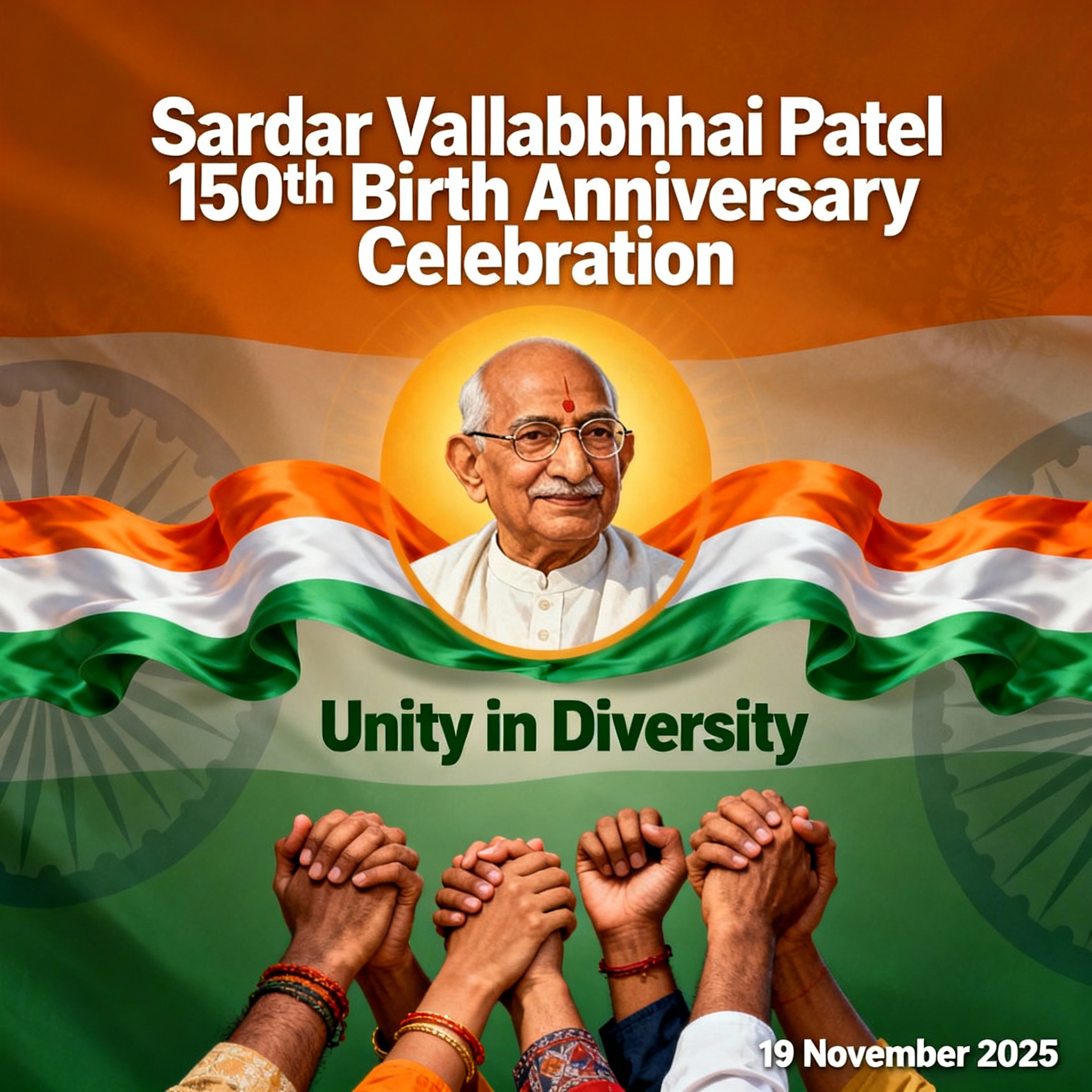
Context :150th birth anniversary of Sardar Vallabhbhai Patel, India’s “Iron Man”, is being celebrated on Rashtriya Ekta Diwas 2025.
- PM Narendra Modi will lead a grand parade at Kevadia, Gujarat, amplifying the event’s national significance.
Background
- Sardar Patel unified 562 princely states and was India’s first Deputy Prime Minister and Home Minister.
- October 31 is observed as Rashtriya Ekta Diwas since 2015 to honor his unification efforts.
- The 2025 event is part of a two-year nationwide festival (2025–2027) marking Patel’s 150th anniversary.
2025 Celebrations: Major Highlights
- Parade led by PM, with tableaux from multiple states and cultural acts by 900 artists.
- Two-year commemorations with unity pledges, “Run for Unity”, and mass participation across states.
- Security forces (CRPF, BSF, NSG, state police), gallantry awardees, and anti-Naxal heroes are parade participants.
- Chief Ministers of all states invited; attendance via online public registration.
- Focus on indigenous contributions—showcasing national strength and self-reliance.
Venue
- Ekta Nagar, Narmada district, Gujarat, amid Satpura and Vindhyachal ranges.
- Near the Statue of Unity (world’s tallest statue, 182m, inaugurated 2018).
- Scenic and symbolic site for national integration.
Leadership & Organisation
- PM Modi leads the parade, giving the Ekta Diwas pledge and tributes at the Statue of Unity.
- Organised by Union Home Ministry, Ministry of Culture; planned by BSF DG Daljit Singh Chaudhary.
- 16 contingents, 4 CAPFs, NCC, gallantry winners, and women’s guard of honour included.
- Public attends via online registration for broad, safe participation.
Theme: Unity in Diversity
- Celebrates diverse languages, cultures, and communities under a single Indian identity.
- Draws on Patel’s efforts to bind India as one nation despite state differences.
- Linked to “Ek Bharat, Aatmanirbhar Bharat,” fostering unity and self-reliance.
Parade Details
- Dated October 31, 2025; military-style parade with bands and security displays.
- 16 contingents, state tableaux, and women’s guard of honour.
- Motorcycle stunts, camel bands, horse contingents, and cultural integration segments are featured.
Special Features
- Indian-breed dogs from BSF march—Rampur and Mudhol Hounds, highlighting indigenous force multipliers for border patrol.
- Five Shaurya Chakra awardees from CRPF, 16 gallantry winners from BSF, and cultural showcase by 900 artists.
- Guard of Honour led by women, highlighting gender inclusion.
- Airshow by Indian Air Force Surya Kiran team and cultural fests extend celebrations beyond parade day.
2. Respect the health right of India’s children
General Studies (GS) Paper II – Governance, Polity.
Context: At least 25 child deaths from contaminated cough syrups expose drug safety lapses and pharmacovigilance failures.
- Tamil Nadu incidents prompt license cancellations for manufacturers; WHO voices “deep concern” on regulations.
- Media spotlights 20-25% substandard medicines and poor pediatric monitoring as systemic issues.
- Demands rise for tougher Drugs and Cosmetics Act enforcement amid global probe into India’s child-harming exports.
Regulatory Structure of Drug Control in India
- Central Level:
- Body: Central Drugs Standard Control Organisation (CDSCO) under Ministry of Health and Family Welfare (MoHFW).
- Responsibility: Approves new drugs, oversees trials, sets standards, manages imports/exports, monitors quality under Drugs and Cosmetics Act.
- State Level:
- Body: State Drug Control Organizations (SDRAs) / State Licensing Authorities.
- Responsibility: Grants manufacturing/sale licenses, enforces compliance, inspects sites, probes adulteration.
Constitutional and Legal Linkage
- Constitutional Basis: Article 47 mandates State to enhance public health, drug quality, and limit intoxicants to medicinal use.
- Key Legislation: Drugs and Cosmetics Act, 1940 (amended 2020) governs manufacture, import, distribution, sale; empowers CDSCO/SDRAs.
- Supporting Laws: NDPS Act, 1985 regulates scheduled drugs; NPPA sets drug prices.
- Link to Child Rights: Ties to Article 39(f) against child exploitation; pediatric gaps breach Article 21’s right to life.
Core Issue: Lack of Paediatric Pharmacovigilance – Why Critical
- Issue Overview: India lacks dedicated pediatric program; underreporting stems from poor HCP training and child-dosing data.
- Critical Reasons: Kids metabolize drugs uniquely, risking harm from adult formulas; substandard drugs (20-25%) fuel contamination deaths.
- Impact: Only 1-2% ADR reports are pediatric, delaying unsafe product detection and causing avoidable child fatalities.
- Broader Concern: Depends on foreign data, ignoring local genetics/environment; erodes trust in Indian pharma exports.
International Framework (for Comparison)
- USA:
- Law: Best Pharmaceuticals for Children Act (BPCA, 1997); FDA Amendments Act (FDAAA, 2007).
- Objective: Requires pediatric studies, offers 6-month exclusivity incentives; ensures child-safe labeling and data.
- EU:
- Law: Paediatric Regulation (EC) No 1901/2006.
- Objective: Mandates Paediatric Investigation Plan for new drugs; grants exclusivity extensions; standardizes child trials.
- WHO (Global):
- Law: WHO Guidelines on Paediatric Medicines (2018); Uppsala Monitoring Centre (UMC) Network.
- Objective: Boosts child pharmacovigilance; emphasizes ADR reporting, essential meds adaptation, low-resource training.
Essential Medicine Concept
- WHO Definition: Medicines meeting priority population health needs, chosen by disease burden, efficacy, safety, cost.
- Key Points for Children: WHO EMLc (biennial) for ages 0-12; lists 30-40 essentials like antibiotics, vaccines, analgesics.
- Focus Areas: Promotes availability, affordability, rational use; core for basics, complementary for advanced care.
Key Policies Gaps Highlighted
- No Pediatric-Specific Trials: No mandatory child trials; relies on adult data without US/EU-like incentives.
- Weak Pharmacovigilance: High pediatric ADR underreporting; poor CDSCO-state links cause recall delays.
- OTC and Export Lapses: Loose OTC controls for kids; unchecked substandard exports endanger global child health.
- EML Enforcement: NLEM lacks full pediatric adaptation; affordability issues hit low-income families.
What Needs to Be Done
- 1) Strengthen Paediatric Drug Regulation: Pass child-specific laws mandating trials/PIPs like EU; train HCPs on ADR reporting.
- 2) Update and Enforce EMLs: Align NLEM with WHO EMLc; guarantee public facility stock with price controls for equity.
- 3) Tighten OTC Drug Control: Restrict/ban adult OTC for kids; require labeling and pharmacist checks to prevent misuse.
- 4) Strengthen Accountability: Integrate CDSCO-SDRA with digital tools; add harsh penalties, routine audits.
- 5) Promote Research and Responsibility & Indigenous Focus: Fund local pediatric R&D for cheap options; prioritize equity/affordability via subsidies; meet WHO export norms.
3. Gyan Bharatam mission
General Studies Paper I – Indian Heritage and Culture
Context: Gyan Bharatam Mission gains attention with MoU signings with 20 institutions on October 25, 2025, for manuscript conservation and digitization.
- Announced in Union Budget 2025-26, it was launched in September 2025 at an international conference in New Delhi.
- PM Narendra Modi launched the Gyan Bharatam Portal on September 12, 2025, to boost digitization and public access to manuscripts.
- Media highlights efforts to digitize over 1 crore manuscripts using AI and OCR for global dissemination.
- Partner institutions include Asiatic Society Kolkata, University of Kashmir, and Government Manuscript Library Chennai.
Background
- A flagship initiative of the Ministry of Culture, building on the 2003 National Mission for Manuscripts.
- Introduced in Union Budget 2025-26 to revive ancient texts for education, research, and innovation.
- India has 5-10 million manuscripts in languages like Sanskrit and Persian, many at risk of decay.
- Formally launched at the Gyan Bharatam International Conference (September 11-13, 2025), praised by PM Modi.
- Over 50 institutions will join via MoUs, starting with 20 and adding 30 more soon.
Main Objective
- Identify, document, conserve, digitize, and promote India’s manuscript heritage globally.
- Create a framework with cluster centers (multi-partner) and independent centers (solo).
- Inspire innovation, enhance civilizational pride, and boost global knowledge diplomacy.
- Integrate tradition with modernity using AI for research, education, and cultural outreach.
National Digital Repository
- A digital platform to share India’s manuscript heritage worldwide as a centralized hub.
- Targets digitizing and cataloging over 1 crore manuscripts with AI and OCR technology.
- Facilitates collaboration and standardized preservation among institutions.
- Launched in September 2025 via the Gyan Bharatam Portal for public and global access.
Key Activities
- Survey and Cataloguing: Systematic identification and metadata creation for easy retrieval.
- Conservation and Preservation: Upkeep and repair using scientific methods to prevent decay.
- Digitization: Scanning manuscripts into digital formats with AI and OCR support.
- Capacity Building: Training staff in technology, linguistics, and conservation techniques.
- Research and Publication: Analysis, translation, and publishing for modern relevance.
- Outreach and Promotion: Exhibitions and workshops to raise cultural awareness globally.
Broader Vision and Cultural Significance
- Broader Vision:
- Revitalize manuscripts as resources for education, innovation, and global exchange.
- Promote a national preservation movement with Preservation, Innovation, Addition, Adaptation.
- Aim to digitize over 1 crore manuscripts, enhancing self-reliance in heritage management.
- Encourage collaboration with phased funding (70% initial, 30% upon progress).
- Cultural Significance:
- Preserves ancient wisdom in science, philosophy, and arts to avoid knowledge loss.
- Strengthens national identity by making heritage accessible to all.
- Positions India as a leader in cultural diplomacy through tradition-modernity blend.
- Safeguards irreplaceable texts from historical losses for contemporary use.
4. RBI issues draft norms to enable banks to fund acquisitions
General Studies Paper III: Economy and Banking
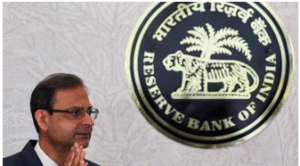
Context: RBI released draft “Capital Market Exposure Directions, 2025” to overhaul banks’ capital market exposure rules.
- Aims to modernise, unify, and simplify rules on bank exposure to stock market-related activities.
What is Capital Market Exposure (CME)?
- Measure of how much a bank is involved directly or indirectly in stock market activities.
- Direct Exposure: Banks investing in shares, bonds, mutual funds.
- Indirect Exposure: Loans linked to capital market, e.g., to stockbrokers or investors.
Key Features of Draft CME Norms
- Exposure Limits:
- Direct exposure capped at 20% of Tier-1 capital.
- Aggregate exposure (direct + indirect) capped at 40% of consolidated Tier-1 capital.
- Acquisition Finance:
- Banks can finance up to 70% of acquisition cost; borrower must contribute 30% equity.
- Allowed only for listed companies with sound financials and independent SEBI-compliant valuations.
- Aggregate acquisition finance capped at 10% of Tier-1 capital.
- Individual Market-Participation Loans:
- Loan limit increased to ₹25 lakh per individual.
- Financing up to 75% of subscription value with 25% margin.
- Loans Against Securities:
- Capped at ₹1 crore per individual for eligible securities.
- Banks to maintain prudent Loan-To-Value (LTV) ratios and control risk.
Need for Draft Norms
- Modernisation: Replace fragmented rules with a unified framework.
- Corporate Expansion: Facilitate merger & acquisition financing.
- Retail Participation: Boost individual investment access.
- Risk Containment: Limit exposures to maintain financial stability.
- Global Alignment: Harmonise with Basel III and international standards.
- Economic Impact: Improve market liquidity and investment-led growth
5. Great Nicobar project
Paper: General Studies Paper III: Indian Geography, Environment, and Governance
Context: Sonia Gandhi called the Great Nicobar Project a “grave misadventure” that tramples tribal rights and ecology, urging a rethink (Sep 8, 2025).
- Rahul Gandhi alleged Forest Rights Act violations in clearances and demanded a probe (Sep 4, 2025).
- National debate sharpened as the Rs 72,000 crore island project—billed as India’s “Hong Kong”—faces expert warnings on environment, displacement, and strategic logic (Sep-Oct 2025).
- Rising expert and political concern over indigenous and ecological risks.
Background – The Great Nicobar Project
- Mega Rs 72,000 crore plan to develop Great Nicobar as a maritime-transshipment hub, spanning 166 sq km (10% of island).
- Seeks to rival Singapore/Colombo, strengthen India’s maritime role in the region.
- Part of Sagarmala Programme; moved rapidly through clearances despite protests (2024–2025).
Components & Details
| Component | Details |
| Transshipment Port | Container terminal at Galathea Bay, aiming for 500+ ship calls/year |
| International Airport | Greenfield airport for passengers/cargo, supporting trade and tourism |
| Power Plant | 450 MW thermal plant for island’s energy needs |
| Township | SEZ and township for 2.5 lakh people, including commercial/industrial growth |
What the Government Aims For
- Make India a global maritime hub, reduce 70% dependence on transshipment via foreign ports.
- Enhance strategic security in the Andaman Sea as a counter to Chinese moves.
- Drive growth through port-led development, jobs, and tourism.
- Integrate with Maritime India Vision 2030 for export/logistics boost.
Critical Concerns Highlighted by Experts
| Concern | Details |
| Ecological Damage | Deforestation of 130 sq km, coral/marine loss |
| Tribal Rights Violation | Displacement of Shompen/Jarawa, no meaningful consent |
| Economic Unviability | High subsidy need, remote location, no guaranteed traffic |
| Seismic/Disaster Risk | Region prone to earthquakes, endangering infrastructure |
Why Vizhinjam and Vadhavan Are Different
| Port | Advantages | Differences from Nicobar |
| Vizhinjam | Natural deep draft; aligned to traffic | Mainland, industrial links, minimal tribal/ecological friction |
| Vadhavan | Large capacity, west coast access | Continental site, avoids remote/island downsides |
Logical and Operational Challenges
- Lacks urban/industrial hinterland; throughput must come from mainland.
- Most shipping firms prefer established Colombo hubs for logistics/rebates.
- High operational and resupply costs due to isolation.
- Infrastructure, efficiency gaps make 500+ annual ship calls unlikely.
Ecological and Governance Critique
| Aspect | Concerns |
| Ecological | Forest, coral, endangered turtle loss at biodiversity hotspot |
| Governance | Fast-tracked clearances, ignored legal process/impact assessments |
| Tribal | Shompen/Jarawa displacement, lack of gram sabha/tribal consent |
Constitutional & Policy Linkage
| Provision/Policy | Relevance |
| Forest Rights Act (FRA), 2006 | Requires tribal consent; consent bypassed |
| Article 48A, Constitution | Govt. duty to protect ecology; deforestation ignores duty |
| Andaman & Nicobar (PTC) Act, 1956 | Protects tribal reserves, project threatens them |
| Sagarmala Programme (2015) | Pushes port-led growth, often overlooks sustainability |
Key Takeaways
- Strategic goal clashes with huge ecological and tribal risks; harm may be irreversible.
- Mainland ports like Vizhinjam, Vadhavan handle similar roles without unique island vulnerabilities.
- Transparent EIA, genuine FRA compliance needed to reconcile development with rights.
- The project exposes deep policy tension: maritime ambitions must not eclipse sustainability or justice.
6. ‘23for23’ Initiative — India’s Campaign for Snow Leopard Conservation
What is ‘23for23’?
- Nationwide awareness campaign by Ministry of Environment, Forest & Climate Change (MoEFCC).
- Encourages citizens to engage in 23 minutes of physical activity to honor snow leopards.
- Aims to raise awareness about snow leopard habitats and conservation challenges.
- Supports the Global Snow Leopard and Ecosystem Protection Programme (GSLEP).
Key Findings from 2025 Snow Leopard Census
- The first-ever national census recorded 718 individual snow leopards across the Indian Himalayas.
- Highest population in Ladakh at 477 individuals.
- Others: Uttarakhand (71), Himachal Pradesh (51), Arunachal Pradesh & Sikkim combined (61), Jammu & Kashmir excluding Ladakh (58).
About Snow Leopards
- Scientific name: Panthera uncia.
- Habitat: High-altitude mountain ranges (3000–5000 meters) across 12 Asian countries including India.
- Characteristics: Medium-sized big cat, smoky-grey fur with rosettes, solitary, silent predator.
- Conservation status: Vulnerable (IUCN).
- Known as the “Ghost of the Mountains” due to elusive behavior.
Conservation Efforts & Partnerships
- Led by MoEFCC with support from WWF-India, Snow Leopard Trust, and local communities.
- India’s notable Project Snow Leopard focuses on protecting high-altitude ecosystems.
- Part of the Global Snow Leopard and Ecosystem Protection Programme (GSLEP) involving 12 range countries.
Significance of the Initiative
- Engages communities and individuals to foster shared responsibility.
- Highlights India’s leadership in snow leopard conservation under PM Narendra Modi.
- Emphasizes science-based monitoring, habitat protection, and community participation.