1. Email accounts of 12 lakh central govt. employees including PMO
(GS) Paper III Topic: Science and Technology
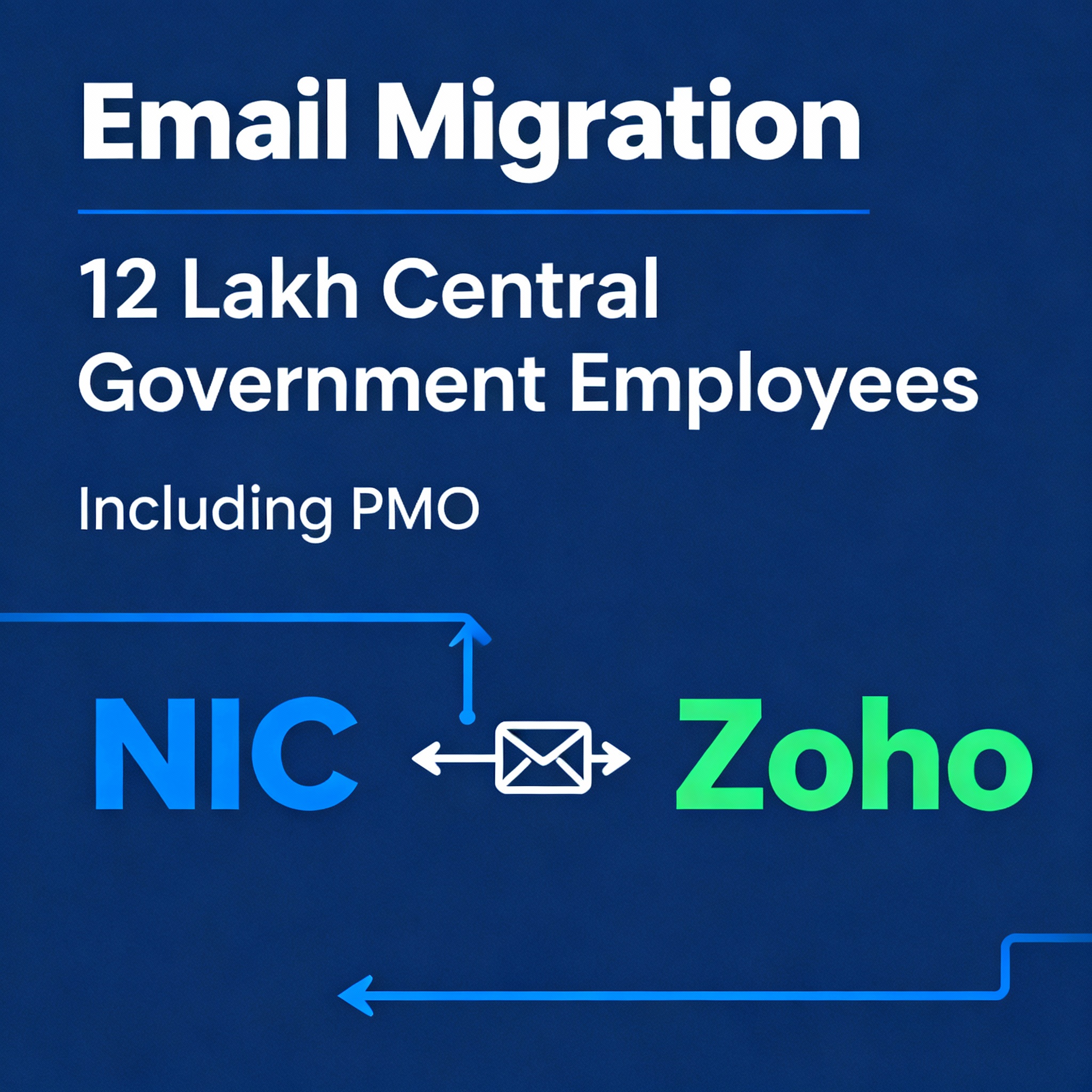
Context: Over 12 lakh email accounts of Central government employees (including PMO) have migrated from NIC’s mail service to Zoho’s platform in the past year
Background
- NIC ran government email infrastructure since 1976, using open-source tools for files and spreadsheets.
- Rising cybersecurity risks and fragmented productivity found during audits triggered action.
- Shift driven by post-2020 digital reform and supply chain lessons post global crises.
- Migration began in late 2024, covering 12 lakh accounts (PMO/ministers) by mid-2025—NIC retained domain, Zoho gained processing control.
- The urgency: Plug security gaps and build an indigenous product-led digital ecosystem, reducing reliance on foreign providers.
What is Zoho?
- Zoho is an Indian SaaS firm, founded 1996 in Chennai by Sridhar Vembu and Tony Thomas.
- Offers integrated mail, CRM, productivity, and collaboration tools—privacy-focused and ad-free.
- Employs 15,000+ mainly in India; fostered rural tech (e.g., Tenkasi), and boosts national SaaS exports.
- Grown to $1 billion+ annual revenue, recognized for innovation and bootstrapped success (Padma Shri to CEO Sridhar Vembu).
- Symbolizes ‘Swadeshi’ digital capability: powers 4.5 lakh domestic businesses, leads government’s personal account surge.
Reasons for Migration
- Security concerns in open-source NIC tools, mitigated by Zoho’s encrypted platform.
- Unifies fragmented tools, creating a standardized cross-ministry suite for productivity.
- Ensures digital sovereignty: all data stays within Indian law via Chennai-based servers.
- Swadeshi momentum: part of Atmanirbhar Bharat, slashing import spends ($10B+ annually on foreign tech).
Security Framework & Oversight
- Multi-layer security with end-to-end encryption, two-factor authentication, and DPDP Act compliance.
- Data remains accessible under gov.in/nic.in domains, but is processed in Zoho’s secure Indian servers.
- Oversight via NIC, CERT-In audits, ISO certifications, with regular platform reviews.
- Continuous monitoring and quick breach response (within 6 hours); data access logs centrally audited.
Government Policy Context
- Aligns with Digital India and National Digital Communications Policy (2023) for indigenous e-governance.
- MeitY directives push “Digital Swadeshi” and India Stack adoption across ministries.
- Education Ministry’s order (Oct 2025) extends migration mandate to universities and departments.
- Parliament reviews ensure accountability, high-level support from leaders (e.g., Amit Shah, Shivraj Chouhan).
- Complements PSU digital pushes and 7-year NIC-Zoho partnership, aiming for 50% indigenous tech by 2030.
Benefits of the Move
| Dimension | Benefits | Explanation |
| Security & Privacy | Safer data, localized control | From open-source vulnerabilities to Indian encrypted servers |
| Economic | Supports domestic tech, saves costs | Drives Zoho’s growth; cuts foreign tech licensing outlays |
| Productivity | Integrated suite, better collaboration | Single platform replaces fragmented tools for ministries |
| Strategic/Sovereignty | Self-reliance, rural jobs | Boosts Indian IP, rural clusters, sets PSU precedent |
| Social/Environmental | Inclusive, ethical tech | Widens MSME participation, encourages rural digital inclusion |
Challenges / Concerns
| Concern | Explanation |
| Security Risks | Private platforms may have undetected vulnerabilities |
| Dependency Risk | Critical infra now hinges on one Indian vendor |
| Political/Ethical Scrutiny | Concerns over vendor favoritism or policy bias |
| Adoption Hurdles | Employees need extensive training to adjust |
| Scalability & Cost | Long-term price and performance must be monitored |
2. Natural Farming
General Studies (GS) Paper III Topic: Agriculture and Allied Sectors
Context: Himachal Pradesh is witnessing a rapid shift to natural farming due to strong government policy support and high Minimum Support Prices (MSP) for naturally grown crops (maize, wheat, turmeric, barley), leading to improved farmer incomes and reduced chemical usage.
What is Natural Farming?
- Definition: Natural farming is a sustainable agricultural system that avoids all chemical fertilizers and pesticides, relying entirely on on-farm organic inputs and ecological processes.
- Key Principles:
- No synthetic fertilizers or chemical pesticides.
- Focus on on-farm biomass recycling (mulching, green manures).
- Inputs such as cow dung, cow urine, and local plant extracts.
- Pest management through biodiversity, habitat protection, and botanical extracts.
- Enhance soil health, natural nutrient cycles, and moisture conservation.
- Integration of crops, livestock, and trees for ecological balance.
- Examples of Natural Farming Techniques:
- Jeevamrit: Liquid manure made with cow dung, cow urine, jaggery, pulse flour, and soil applied to crops.
- Beejamrit: Seed treatment using cow urine, dung, lime, and water.
- Mulching: Covering soil with crop residues to retain moisture and improve soil health.
- Agniastra/Neemastr: Botanical extracts (neem, chilli, garlic) for pest control.
Prakritik Kheti Khushhal Kisan Yojana (PK3Y)
Launch & Objective:
- Launched: 2018 (7 years ago from Oct 2025)
- Objective:
- Promote chemical-free natural farming in Himachal Pradesh.
- Improve farmer livelihood, soil health, and environment.
Key Features Table:
| Feature | Description |
| Training | 3.06 lakh farmers trained in natural farming techniques |
| Area Covered | 38,437 ha under natural farming (full or partial) so far |
| Certification | Over 2 lakh farmers self-certified via CETARA–NF tool |
| MSP Support | Highest MSP for maize (₹40/kg), wheat (₹60/kg), turmeric (₹90/kg), barley |
| Direct Procurement | Govt buys produce directly & pays via DBT; freight subsidy for remote areas |
| Women Participation | Many women farmers trained & actively engaged in collective farming |
| Self-sufficiency | Emphasis on farm-produced inputs (reducing market dependence) |
Benefits of Natural Farming
| Dimension | Benefit Example |
| Economic | Higher MSP, better profits for farmers, reduced input cost |
| Environmental | Improved soil structure, fertility, reduced pollution & runoff |
| Social | Greater women’s participation, self-reliant farming communities |
| Health | Chemical-free, nutrition-rich crops, lower exposure to toxins/carcinogens |
| Resilience | Multiple cropping, risk reduction, adaptation to climatic variability |
Challenges and Limitations
| Challenge | Explanation |
| Initial Yield Drop | Transition phase may see slight yield reduction before soil health recovers |
| Market Access | Premium markets for natural produce still developing; price realization depends on State support |
| Knowledge & Training Gaps | Farmers need ongoing training in techniques, certification, and marketing |
| Input Sourcing | Availability of sufficient on-farm biomass/cow dung may be limited for all landholdings |
| Scaling up | Large-scale adoption challenges due to landscape, tradition, and variable returns |
| Certification & Traceability | Ensuring credibility of “natural” produce, facilitating consumer trust |
National Context
- Central push through programs like Bhartiya Prakritik Krishi Padhati (BPKP) under Paramparagat Krishi Vikas Yojana (PKVY).
- States like Andhra Pradesh (ZBNF), Sikkim (fully organic), and Uttarakhand also actively promote natural/organic farming.
- Focus on scaling up natural farming to address health, environment, and farmer distress issues nationwide.
Conclusion: Himachal Pradesh’s proactive policy framework, assured MSP, and farmer-friendly initiatives (PK3Y) are incentivizing the adoption of natural farming.
- Multi-dimensional benefits are emerging: higher incomes, ecological improvement, and safer food.
- Challenges like market access and technical know-how remain, but policy support and farmer success stories offer a model for wider national adoption.
3. PM Modi to launch PM Dhan Dhanya Krishi Yojana and Mission for Aatmanirbharta in Pulses
General Studies Paper III Topic: Agriculture and Allied Sectors
What is PMDDKY?
- Comprehensive mission to modernize Indian agriculture through tech-driven and market-linked reforms.
- Aims to overhaul 100 low-performing districts with targeted interventions.
Objectives of the Scheme
- Raise crop yields by 20–30% using advanced techniques and better resources.
- Cut post-harvest losses to under 5% with improved storage and logistics.
- Double farm incomes by 2030 via direct market access and modern methods.
- Foster sustainable, climate-resilient, and tech-enabled agriculture.
- Promote inclusivity by supporting women, youth, and smallholders.
Eligibility and Target Areas
- Focuses on 100 districts with poor farm productivity and infrastructure, picked by NITI Aayog.
- Priority to women farmers, young agripreneurs, and FPOs as core beneficiaries.
Salient Features of PMDDKY
- Major funding: ₹1.44 lakh crore for six years (₹24,000 crore/year).
- Combines 36 existing schemes under a single digital ecosystem for efficiency.
- Promotes smart farming with IoT devices, drones, and AI-based dashboards.
- Digital monitoring of 117 performance indicators: from yields to irrigation and storage facilities.
- Infrastructure push for better irrigation, storage, processing, and market connectivity.
- Empowers women through 10,000 new Women Producer Groups, reaching 5 lakh women farmers.
- Organizes training programs and international exposure for farmers in leading agri-tech countries.
- Encourages adoption of organic, eco-friendly, and resilient farming practices.
Advantages for Farmers and Districts
- Boosts crop productivity using high-yield seeds, efficient irrigation, and mechanization.
- Raises incomes by 20–40% with crop diversification and new market linkages.
- Generates 10–15 additional jobs per village in allied sectors.
- Reduces crop loss after harvest using new warehousing and cold storage units.
- Ensures better financial access via low-interest loans (₹50,000–₹10 lakh) through KCC and NABARD support
4. Bharat Taxi
Context: The National e-Governance Division under the Ministry of Electronics & IT (MeitY) has partnered with Sahakar Taxi Cooperative Ltd. (Bharat Taxi) to develop India’s first cooperative-driven, citizen-first national ride-hailing platform, launching in December 2025.
About Bharat Taxi
- Bharat Taxi is India’s first cooperative-driven, national ride-hailing platform, launched by Sahakar Taxi Cooperative Ltd..
- It offers a home-grown, alternative mobility service rooted in transparency and citizen focus.
Institutional Backing
- The National e-Governance Division (NeGD) under MeitY is the technical and advisory lead.
- Promoted by leading cooperatives: NCDC, IFFCO, AMUL, KRIBHCO, NAFED, NABARD, NDDB, and NCEL.
Objectives
- Combine cooperative ownership with digital innovation to create a fair, driver-friendly ecosystem.
- Ensure seamless, secure, and inclusive mobility aligned with the Digital India vision.
Key Features
- Integrated with DigiLocker, UMANG, and API Setu for unified digital identity and document verification.
- Adheres strictly to government data protection and privacy standards.
- Prioritizes multilingual and accessible interface suitable for all user groups.
- NeGD provides guidance on technology, system governance, and programme management.
- Pan-India rollout planned for December 2025.
Significance
- Empowers cooperative institutions as central players in the digital mobility landscape.
- Supports Atmanirbhar Bharat by reducing dependence on foreign cab aggregators and strengthening local stakeholders.
5. Quantum leap by Indian researchers in boosting digital security
GS- paper III: Science and Technology.
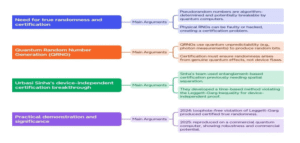
Context: India’s quantum research, scientists from the Raman Research Institute (RRI), Bengaluru, led by Dr. Urbasi Sinha, have successfully developed and experimentally demonstrated a method to generate and certify truly random numbers using a quantum computer.
About National Quantum Mission (NQM)
|
The Importance of Random Numbers in Digital Security:
- Foundation of Encryption: Random numbers are used to generate encryption keys, which are e
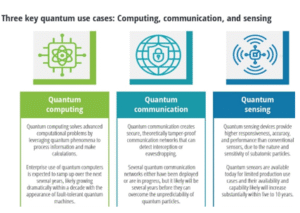 ssential for securing data transmitted over the internet and stored on our devices.
 - Password Generation: Strong passwords rely on randomness to make them difficult to guess or crack.
- Authentication Systems: Random numbers are used in authentication protocols to verify the identity of users and prevent unauthorized access.
Limitation of Current Systems: Pseudorandom Numbers
India’s breakthrough in generating true quantum randomness boosts secure communication, advances quantum research, enables unhackable encryption, and positions the nation as a leader under the National Quantum Mission.
6. Decks cleared for Maitri II, India set to chart new frontiers in Antarctica’s icy wilderness
GS- paper -III: Science and Technology.
Context: India’s ambitious plan to establish its fourth research base in Antarctica, named Maitri II.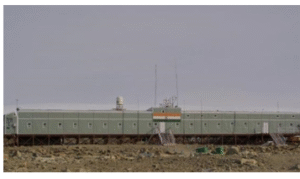
Maitri II: India’s New Antarctic Research Station
- Approval and Funding: The Finance Ministry has approved the Maitri II project, allocating approximately ₹12,000 crore (around $1.44 billion USD) over seven years.
- This substantial investment underscores the importance India places on Antarctic research.
- Location: Maitri II will be constructed in eastern Antarctica.
- The specific location within eastern Antarctica will be determined based on scientific and logistical considerations.
- Timeline: The project aims to have Maitri II built and operational by January 2029.
- This ambitious timeline requires careful planning and execution.
- Nodal Agency: The National Centre for Polar and Ocean Research (NCPOR), based in Goa and under the Ministry of Earth Sciences (MOES), is the nodal agency responsible for the project.
- NCPOR will oversee the construction, operation, and scientific activities at Maitri II.
Antarctica Region
|
India’s Existing Antarctic Research Stations
- Dakshin Gangotri: India’s first research base in Antarctica, established in 1983. It is no longer operational, having been submerged under ice.
- Maitri: Operational since 1989, Maitri serves as a year-round research station, supporting a variety of scientific activities.
- Bharati: Established in 2012, Bharati is India’s newest research station, equipped with state-of-the-art facilities for polar research.
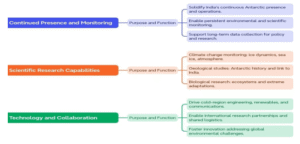
Significance of Maitri II
Maitri II will complement the existing infrastructure, expanding India’s research capabilities in Antarctica and allowing for a more comprehensive understanding of the continent’s role in the global environment.