
1. National intelligence grid grains traction as central agencies ,police scour for information
GS PAPER II-polity
Context :NATGRID has become fully operational and is handling about 45,000 monthly data requests, marking a significant step in strengthening India’s security apparatus with unified, real-time data access for investigations
What is NATGRID?
An integrated national intelligence and investigation support system created to bridge information gaps between agencies for faster access to government and private databases .
Key Capabilities
- Provides unified access to data like driving licenses, Aadhaar, airline travel, bank transactions, phone and social media records .
- Offers a single-window platform, eliminating multiple department requests.
- Enables real-time analytics for swift investigation response .
- Ensures confidentiality with protected user identity and no FIR requirement for data access .
Who Can Access?
Available to 11 central agencies including R&AW, IB, NIA, CBI, ED, and others, now extended to State Police and SP-rank officers for seamless coordination .
Purpose and Benefits
Designed to speed up intelligence sharing, reduce delays in counterterrorism and crime probes, enhance national security against cyber threats, and promote an “investigate first, verify faster” methodology .
2. Natural farming
GS PAPER III-ECONOMY -AGRICULTURE
Context :ICAR’s new directive to start formal education and research programs in Natural Farming signals the government’s commitment to promoting sustainable, eco-friendly agriculture nationally. This move aims to scale up adoption of these low-cost, climate-resilient farming techniques among upcoming agricultural professionals and researchers, aligning with policy goals on sustainable agriculture, zero chemical use, and farmers’ economic welfare.
ICAR’s New Push for Natural Farming Education
The Indian Council of Agricultural Research (ICAR) has directed all State and Central agricultural universities to start undergraduate and postgraduate courses in Natural Farming. This initiative marks the first time India is systematically formalizing education and research in Natural Farming at a national level.
Understanding Natural Farming
- Definition: A chemical-free, eco-friendly farming method that relies on locally sourced biomass, soil microorganisms, mulching, cow-based inputs, and minimal soil disturbance.
- Approach: Focuses on building healthy soil and biodiversity to enhance farm productivity without synthetic chemicals or costly inputs.
Distinguishing Natural Farming from Organic Farming
| Feature | Natural Farming | Organic Farming |
| Input Source | Locally prepared bio-inputs from the farm itself | Certified organic inputs (vermicompost, biopesticides) allowed |
| Chemical Use | No chemicals | No chemicals |
| Certification | Not mandatory | Mandatory under NPOP and PGS-India standards |
| Cost of Cultivation | Very low | Moderate due to certified inputs |
| Tillage & Mulching | Minimum tillage, heavy mulching | Conventional tillage with organic amendments |
Key Characteristics of Natural Farming
- Chemical-free cultivation: Abstains from synthetic fertilizers and pesticides entirely.
- Soil biology focus: Promotes beneficial microbes using preparations like jeevamrit.
- Low input costs: Cuts down expenses by using on-farm resources.
- Biodiversity enhancement: Encourages multi-story cropping, mixed and intercropping to improve resilience.
- Moisture retention: Heavy mulching and reduced tillage conserve soil moisture.
- Climate smart: Lowers greenhouse emissions and increases soil carbon content.
3. Open Market Operation (OMO) Purchase
GS paper III-Indian Economy
Context :RBI announced ₹1 trillion OMO purchases and a $5 billion dollar-rupee swap in its December 2025 policy to inject durable liquidity amid rupee depreciation past 90/$ due to foreign outflows.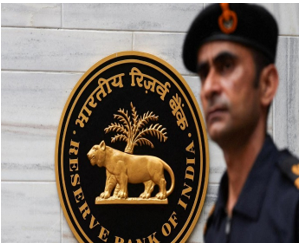
Definition of OMO Purchase
RBI acquires government securities from banks to expand banking reserves and inject sustained liquidity into the system. This action reduces short-term rates and aids policy rate pass-through to lending.
Objectives
- Provide long-term funds to counter liquidity deficits from capital exits or currency pressures.
- Align market rates like weighted average call rate with the repo rate (now 5.25%).
- Enhance credit flow by easing interbank conditions.
OMO Variants
- Expansionary: RBI purchases securities, boosting reserves and lowering rates to spur lending.
- Contractionary: RBI sells securities, shrinking money supply to curb inflation.
- Operation Twist: Simultaneous buy of long-term bonds and sale of short-term ones to manage yield curve without net liquidity change.
Mechanism
RBI evaluates liquidity via call rates and flows, announces auction size/maturity, purchases bonds from banks, and credits reserves upon settlement. This floods the system with funds, softening yields and stabilizing rupee markets.
Key Benefits
- Counters rupee stress by offsetting dollar demand and foreign outflow drains.
- Improves monetary policy effectiveness across banks.
- Prevents yield spikes that hike sovereign borrowing costs.
4. India Hosts 20th UNESCO’s Inter-Governmental Committee
GS paper II-POLITY
Context :India is hosting the 20th session of UNESCO’s Intergovernmental Committee for Safeguarding Intangible Cultural Heritage (ICH) from December 8-13, 2025, at Red Fort, New Delhi, with over 800 delegates from 180+ countries.
Committee Overview
24-member UNESCO body under the 2003 ICH Convention, elected by States Parties for equitable regional representation. Members nominate ICH experts and serve non-consecutive 4-year terms with staggered renewals for continuity.
Core Responsibilities
- Advances 2003 Convention goals for community-driven heritage protection.
- Issues guidelines, operational directives, and ICH Fund strategies.
- Reviews nominations for Representative List and Urgent Safeguarding List.
Intangible Cultural Heritage Defined
Living traditions like performing arts, festivals, crafts, rituals, and knowledge passed generationally. Institutionalized via 2003 Convention (2008 force), with lists: Representative, Urgent Safeguarding, and Good Practices Register.
India’s ICH Elements
India holds 15 inscriptions on UNESCO’s Representative List, including Kutiyattam (2008), Vedic chanting and Ramlila (2009), Yoga (2016), Kumbh Mela (2017), Durga Puja (2021), and Garba (2023).
5. Exercise Harimau Shakti
Context :India-Malaysia launched 5th edition of Exercise Harimau Shakti 2025 at Mahajan Field Firing Range, Rajasthan (Dec 2025).
Overview of Exercise Harimau Shakti
Joint annual army exercise between Indian Army and Malaysian Army focused on counter-insurgency and UN peacekeeping.
Participating Forces
- India: DOGRA Regiment
- Malaysia: 25th Battalion, Royal Malaysian Regiment
Venue
Mahajan Field Firing Range, Rajasthan, India
Main Activities
- Sub-conventional ops under UN Chapter VII
- Cordon & search, heliborne insertions, search & destroy
- Helipad security, casualty evacuation (CASEVAC)
- Counter-terror drills, small-team tactics
- Combat reflex shooting, Army Martial Arts (AMAR), yoga
Importance
Boosts interoperability, tactical skills, defence ties, and readiness for joint UN peacekeeping missions.
6. IndiGo stabilising flight operstions ,refund ₹610 crore
GS PAPER II-GOVERNACE
Context :The crisis at IndiGo brought attention to the critical need for strict adherence to regulatory standards, especially the new Flight Duty Time Limitations rules designed to enhance pilot safety and prevent fatigue-related risks. This episode highlights challenges airlines face in implementing these norms without affecting operational efficiency, stressing enhanced oversight by DGCA and governance reforms within airlines to maintain safety and service reliability.
IndiGo Operations Stabilize After Major Disruptions
IndiGo faced a severe operational crisis marked by over 2,000 flight cancellations, extensive delays, and disruption across major airports, prompting the airline to issue refunds worth ₹610 crore and resolve baggage backlogs. Government agencies heightened scrutiny of IndiGo’s regulatory compliance and governance, focusing on lapses in the airline’s board and risk committee oversight.
Role of DGCA in Indian Civil Aviation
- Regulatory Authority: DGCA is India’s main civil aviation regulator overseeing safety, air transport services, and enforcement of aviation standards.
- Statutory Status: Granted by the Aircraft (Amendment) Bill, 2020.
- Functions: Includes certification of pilots and aircraft, issuing Air Operator Certificates, accident investigations, and coordinating with the International Civil Aviation Organization (ICAO).
- Headquarters: New Delhi.
Flight Duty Time Limitations (FDTL) Rules and Their Impact
- Purpose: Established by DGCA (effective January 2024) to reduce pilot fatigue and enhance flight safety by regulating maximum duty hours, night operations limits, and minimum rest periods.
- Key Changes in New Norms:
- Weekly rest extended from 36 to 48 hours.
- Maximum night landings reduced from six to two.
- Night hour definitions extended by an additional hour.
- Effects: Tightened crew availability, constrained operational flexibility, especially for night-heavy carriers like IndiGo.
- Mandatory adjustments include fatigue reporting and transparent crew scheduling.
- Phased implementation deadline: November 1, 2025, compelling airlines to revise crew rosters and increase crew numbers.
Core Operational Challenges Leading to Crisis
- Insufficient crew availability due to tighter FDTL rules.
- Ineffective implementation of new pilot regulations.
- Lack of contingency plans for scheduling disruptions.
- Poor coordination in baggage handling operations.
7. Over 1.6 Lakh Loans Sanctioned As PMFME Scheme Accelerates Nationwide
GS paper III-ECONOMY
CONTEXT Minister Ravneet Singh highlighted PMFME progress in Parliament: 1.62 lakh loans sanctioned, 3.65 lakh SHG seed capital approvals as of Oct 31, 2025.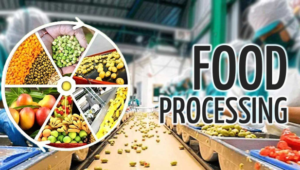
Why Scheme Needed ?
90% of India’s food processing remains unorganized, limiting market access, credit, and formalization for micro enterprises.
Objectives
- Formalize micro food units via credit subsidy, capacity building.
- Boost SHG/FPO competitiveness, market linkages, branding.
Financial Outlay & Pattern
- Outlay: ₹10,000 crore (2020-25).
- Centre: 35% subsidy (up to ₹10 lakh/unit); SHG seed: ₹40k/member (₹4 lakh/SHG).
Coverage
Nationwide; targets 2 lakh micro units, prioritizes women (63k+ loans), SHGs, FPOs, rural areas.
Major Components
- Credit-linked subsidy (1.62 lakh loans).
- Seed capital (3.65 lakh SHG members).
- Common infra (101 proposals), incubation centres (76), branding (27).
Benefits
- Reduces production costs, enhances UN compliance.
- Improves incomes, exports; FY25 funding jumped to ₹1,142 cr.
Eligibility
Individual/group micro food processors, SHGs, FPOs, cooperatives; women/SC/ST focus.